A Parent’s Guide to Understanding Fever, Home Care, and When to See a Pediatrician
Few things worry parents more than seeing their child develop a fever. A warm forehead, flushed cheeks, and a high thermometer reading can quickly trigger anxiety. Questions like “Is this serious?”, “Should I rush to the hospital?” or “Does my child need antibiotics?” are common questions.
The good news is that fever itself is not a disease. It is usually the body’s natural response to an infection and often indicates that the immune system is working as it should.
Understanding why fever occurs, knowing how to care for your child at home, and recognizing when medical attention is needed can help you respond calmly and confidently.
What Is Considered a Fever?
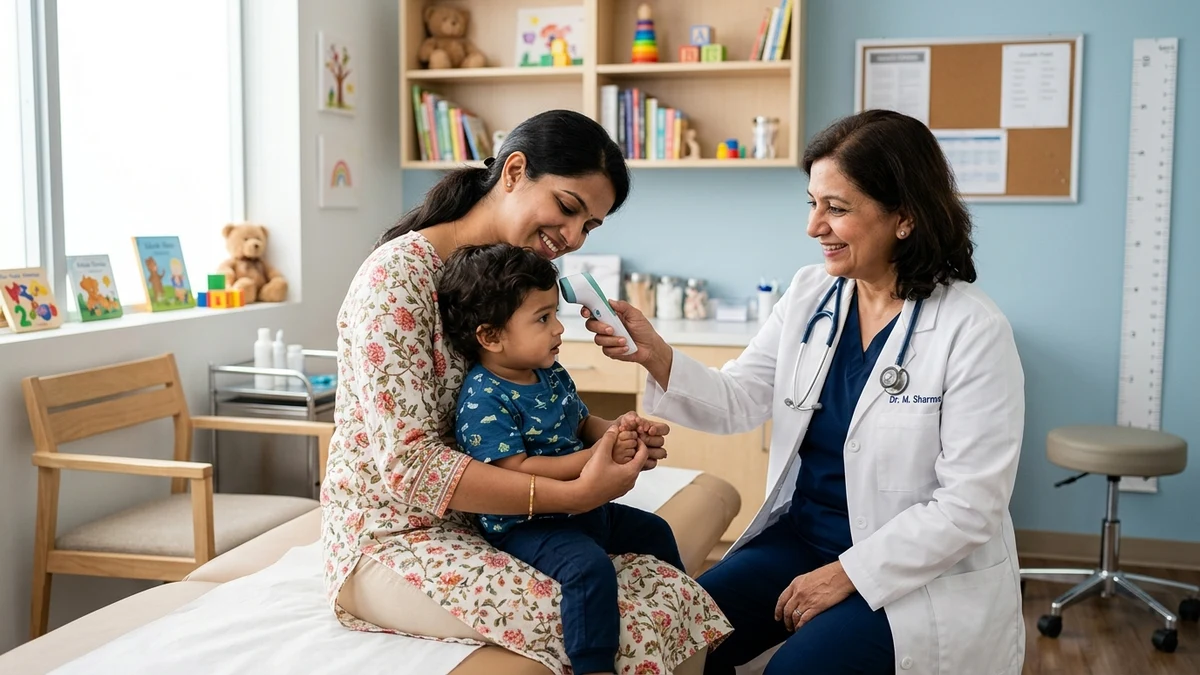
A normal body temperature generally ranges from 36.5°C to 37.5°C, though it can vary slightly throughout the day.
A child is generally considered to have a fever when the body temperature reaches:
- 38°C (100.4°F) or higher when measured accurately.
- Higher temperatures do not always indicate a more serious illness. The child’s overall condition is often more important than the thermometer reading.
Rather than focusing only on the temperature, observe how your child is behaving. A child with a mild fever who is active, drinking fluids, and interacting normally may not be seriously ill, whereas a child with a lower fever who appears unusually sleepy or irritable, or has difficulty breathing, may require prompt medical attention.
Why Do Children Develop Fever?
Children commonly develop a fever because their immune systems are responding to infections. Most fevers are caused by viral illnesses that improve with rest, fluids, and supportive care.
Common causes include:
- Viral infections such as the common cold or influenza
- Throat infections
- Ear infections
- Chest infections
- Stomach infections
- Urinary tract infections
- Certain childhood viral illnesses, such as hand, foot, and mouth disease or chickenpox
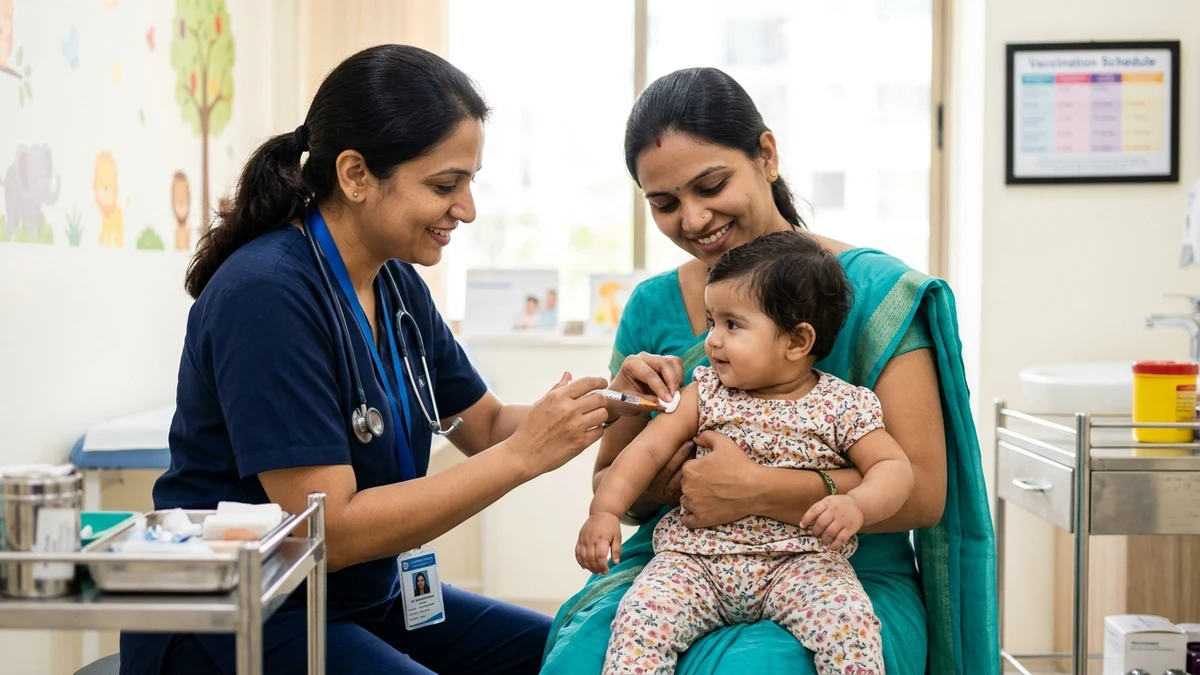
- Fever following some vaccinations
In many cases, fever is simply one symptom of an illness rather than the illness itself.
Fever Is a Symptom, Not the Problem
One of the biggest misconceptions is that fever itself is dangerous. In reality, fever is the body’s defense mechanism. By raising body temperature, the immune system creates an environment that makes it harder for certain viruses and bacteria to multiply.
The goal of treatment is not always to eliminate the fever immediately but to identify and manage the underlying cause while keeping the child comfortable. This is why pediatricians do not treat every fever in the same way. A proper clinical examination helps determine the cause of the fever and whether specific treatment is required.
Should Every Fever Be Treated with Antibiotics?
No. This is one of the most common myths among parents. Many childhood fevers are caused by viral infections, and antibiotics are effective only against bacterial infections. Using antibiotics unnecessarily does not help with viral illnesses and may contribute to antibiotic resistance and unwanted side effects.
Your pediatrician will decide whether antibiotics are needed only after evaluating your child’s symptoms and performing a clinical examination.
Caring for a Child with Fever at Home
Most mild fevers can be managed comfortably at home while keeping a close watch on your child’s condition.
Simple measures include:
- Encourage your child to drink plenty of fluids to prevent dehydration.
- Dress them in light, comfortable clothing.
- Allow adequate rest and sleep.
- Offer nutritious foods if they are willing to eat, but do not force them to eat.
- Use fever-reducing medicines only if advised by your pediatrician and in the correct dose for your child’s age and weight.
Avoid using cold-water baths or alcohol rubs, as these can make children uncomfortable and are not recommended. Remember that the goal is to help your child feel better, not necessarily to bring the temperature back to normal immediately.
When Should Parents Consult a Pediatrician?
While many fevers improve within a few days, some situations require medical evaluation.
Arrange a consultation if your child:
- Is younger than three months and develops a fever.
- Has a fever lasting more than two to three days.
- Appears unusually sleepy, difficult to wake, or very irritable.
- Has difficulty breathing.
- Refuses to drink fluids or shows signs of dehydration.
- Has repeated vomiting or severe diarrhea.
- Develops a rash along with fever.
- Complaints of severe ear pain or a persistent sore throat.
- Experiences a febrile seizure.
- Has a fever that keeps returning without an obvious reason.
- Has an existing medical condition that affects immunity.
Trust your instincts as a parent. If your child appears significantly unwell, seek medical attention even if the temperature itself is not very high.
Fever in Babies Requires Special Attention
Newborns and young infants should always be evaluated carefully if they develop a fever. Babies younger than three months have immature immune systems, and even a mild fever may indicate a serious infection. Do not delay seeking medical care for a young infant with a fever.
Common Myths About Fever
Myth: A higher fever means a more serious illness.
Not necessarily. Some viral infections can cause high temperatures, while certain serious bacterial infections may present with only a mild fever.
Myth: Every fever needs antibiotics.
False. Antibiotics work only for bacterial infections and should never be started without medical advice.
Myth: Fever always causes brain damage.
False. Fever itself does not cause brain damage. Extremely high body temperatures associated with heatstroke are different from the fever caused by infection.
Myth: Children should not be allowed to sleep if they have a fever.
Sleep is an important part of recovery. Instead of waking your child repeatedly, monitor their overall condition and ensure they remain hydrated.
Why Clinical Examination Matters
Parents often wonder if describing symptoms over the phone is enough to receive treatment.
The answer is no.
Many childhood illnesses present with similar symptoms. Fever may be caused by a viral infection, ear infection, throat infection, pneumonia, urinary tract infection, or several other conditions. The correct diagnosis often depends on a careful physical examination.
This is why a responsible pediatrician examines the child before recommending medicines or investigations. Treating symptoms without understanding the underlying cause may delay appropriate treatment or overlook important signs of illness.
Helping Your Child Recover
Recovery from fever involves more than reducing body temperature. Rest, hydration, good nutrition, and close observation all play important roles.
Most children recover completely within a few days. Continue monitoring your child’s symptoms, follow your pediatrician’s advice, and complete any prescribed treatment if antibiotics or other medicines are required. If symptoms worsen or new concerns develop, arrange a follow-up consultation.
When in Doubt, Seek Medical Advice
Every child is different, and every illness is unique. If you are uncertain about your child’s condition, it is always better to seek professional medical advice rather than relying on internet searches or self-medication.
At Dr. Burute Child Care Clinic, every child is carefully examined before treatment is recommended. Our approach combines decades of pediatric experience with ethical, evidence-based medicine to ensure that every child receives safe, thoughtful, and personalized care.
To Wrap It Up
Although fever can be alarming, it is usually a sign that your child’s immune system is responding to an infection. The temperature itself is only one part of the picture. Your child’s behavior, hydration, breathing, and overall condition are equally important.
Knowing when home care is appropriate and when professional medical evaluation is needed can help parents make informed decisions. If you are ever unsure, a timely consultation with a pediatrician is the safest course of action for your child’s health.
Frequently Asked Questions
Can my child go to school with a fever?
No. Children with fever should stay home until they have recovered and are fever-free for at least 24 hours without fever-reducing medication.
Can teething cause a high fever?
Teething may cause mild discomfort or a slight rise in temperature, but it does not usually cause a high fever. A significant fever should be evaluated for another cause.
How often should I check my child’s temperature?
There is no need to check it every few minutes. Monitor your child’s overall condition and check the temperature periodically or if symptoms change.
Is it normal for the fever to rise at night?
Yes. Body temperature naturally tends to be slightly higher in the evening, and many infections make fever more noticeable at night.
Other Health Articles
-
Child Vaccination Schedule in India: A Parent’s…
28 Jul 2026 -
How to Choose the Right Pediatrician for…
28 Jul 2026