
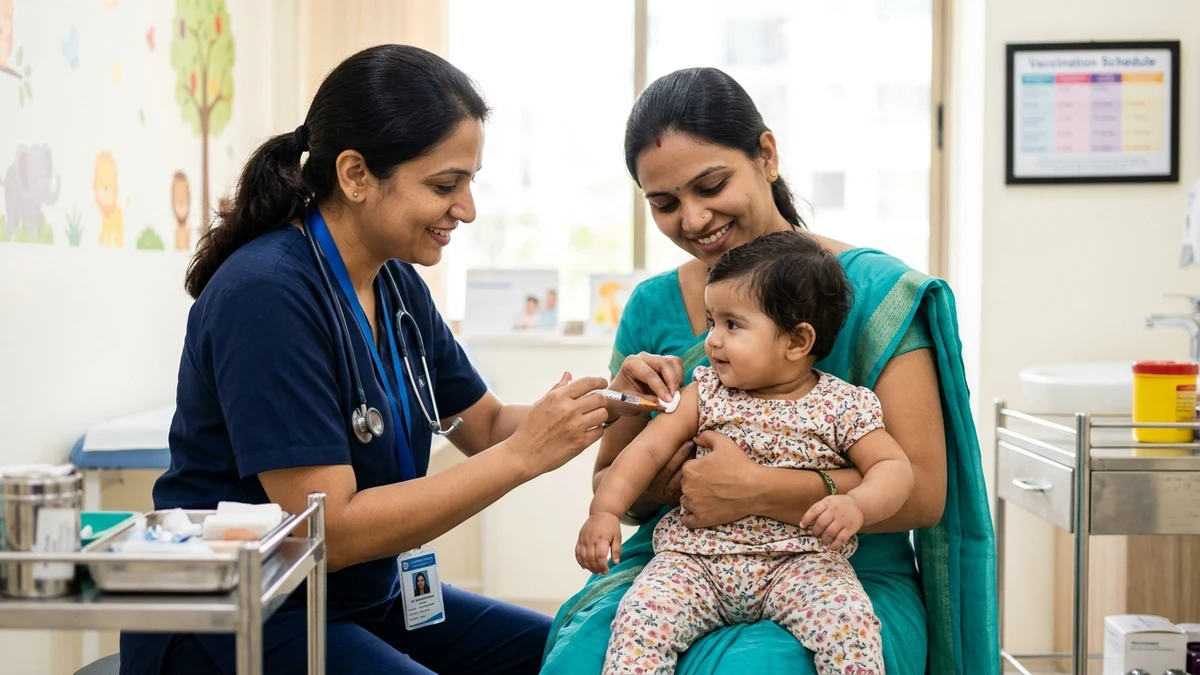
Watching your child receive their first vaccine can be an emotional experience for many parents. While you know it is an important step in protecting their health, it is natural to have questions.
Which vaccines are essential?
Are optional vaccines necessary?
What if my child misses a dose?
Understanding the vaccination schedule can feel overwhelming, especially for first-time parents. The good news is that childhood immunization is one of the safest and most effective ways to protect children from serious infectious diseases.
This guide explains how the vaccination schedule works in India, why timely vaccination matters, and how parents can ensure their child stays protected throughout childhood.
Why Are Vaccines Important?
Vaccines help prepare your child’s immune system to recognize and fight harmful viruses and bacteria before they cause serious illness. Thanks to vaccination, diseases such as polio, diphtheria, tetanus, and measles have become far less common than they once were.
Beyond protecting individual children, vaccination also helps reduce the spread of infectious diseases within families, schools, and communities. Simply put, vaccination protects not only your child but also those around them.
How Does Vaccination Work?
Vaccines contain weakened, inactivated, or carefully prepared components of disease-causing organisms. These stimulate the immune system to produce protective antibodies without causing the disease itself.
If your child is later exposed to the actual infection, the immune system is already prepared to respond quickly and effectively. This protection may last for years or even a lifetime, depending on the vaccine.
Understanding the Vaccination Schedule in India
India follows a structured immunization schedule recommended by healthcare authorities and pediatric organizations. Some vaccines are part of the National Immunization Program, while others are recommended by the Indian Academy of Pediatrics (IAP) based on current scientific evidence and disease patterns.
Your pediatrician may recommend additional vaccines depending on your child’s health, age, travel plans, or specific risk factors.
Recommended Childhood Vaccination Schedule
| Age | Common Vaccines |
| At Birth | BCG, OPV (Zero Dose), Hepatitis B |
| 6 Weeks | DTaP, IPV, Hib, Hepatitis B, Rotavirus, Pneumococcal (PCV) |
| 10 Weeks | DTaP, IPV, Hib, Rotavirus, PCV |
| 14 Weeks | DTaP, IPV, Hib, Rotavirus, PCV |
| 6 Months | Influenza (recommended for many children) |
| 9 Months | MMR, Typhoid Conjugate Vaccine (as advised) |
| 12-15 Months | MMR Booster, Chickenpox (Varicella), Hepatitis A |
| 15-18 Months | DTaP Booster, Hib Booster, IPV Booster |
| 18-24 Months | Hepatitis A (second dose, if applicable) |
| 4-6 Years | DTaP Booster, IPV Booster, MMR Booster, Varicella Booster |
| 9–14 Years | HPV Vaccine (recommended) |
| 10–16 Years | Tdap Booster and other age-appropriate vaccines |
Please note: Vaccination schedules may vary depending on your child’s medical history and your pediatrician’s recommendations.
What If My Child Misses a Vaccine?
Missing a scheduled vaccine can happen due to illness, travel, or other unforeseen circumstances. If your child has missed one or more vaccines, do not try to decide the next step on your own.
Catch-up recommendations vary depending on:
- The vaccine that was missed
- Your child’s age
- The number of doses already received
- The recommended immunization schedule
Your pediatrician will review your child’s vaccination record and advise the most appropriate course of action based on current immunization guidelines. In many situations, children can continue their vaccination schedule without restarting the entire series, while certain vaccines may have specific recommendations.
The most important step is to schedule a consultation as soon as possible so your child’s protection can be continued without unnecessary delay.
Are Vaccines Safe?
Yes. Vaccines undergo years of scientific research, clinical trials, and continuous safety monitoring before they are approved for use. Millions of children receive vaccines safely every year across the world.
Like all medicines, vaccines may cause mild side effects, but serious reactions are extremely rare. The benefits of vaccination far outweigh the risks of remaining unprotected against potentially serious diseases.
Common Side Effects After Vaccination
Most children experience only mild, temporary reactions, such as:
- Mild fever
- Pain or redness at the injection site
- Temporary swelling
- Fussiness or irritability
- Sleepiness
- Reduced appetite for a short period
These symptoms usually settle within one or two days. Your pediatrician will advise you on how to keep your child comfortable after vaccination.
How Can Parents Prepare for a Vaccination Visit?
A little preparation can make the experience easier for both you and your child.
Before visiting the clinic:
- Carry your child’s vaccination record.
- Dress your child in comfortable clothing.
- Feed younger babies before the appointment if appropriate.
- Bring along a favorite toy or comfort item.
- Prepare older children by explaining that they may feel a quick pinch but it will be over in a few seconds.
Remaining calm and reassuring can help children feel more relaxed during vaccination.
Common Myths About Vaccination
Myth: Vaccines cause the diseases they prevent.
False.
Vaccines help the immune system build protection without causing the actual illness.
Myth: Healthy children do not need vaccines.
False.
Vaccination protects healthy children before they are exposed to infections.
Myth: Natural infection is better than vaccination.
Not necessarily.
Many vaccine-preventable diseases can cause serious complications, hospitalization, or lifelong disability. Vaccination provides protection without exposing children to these risks.
Myth: Too many vaccines overload the immune system.
False.
Children encounter thousands of germs naturally every day. The immune system is fully capable of responding safely to recommended vaccines.
Why Timely Vaccination Matters
Every vaccine is recommended at a particular age because that is when it offers the greatest protection. Delaying vaccination can leave children vulnerable during the period when they are most likely to develop serious infections. Following the recommended schedule helps build immunity at the right time and provides the best possible protection throughout childhood.
Keeping Track of Your Child’s Vaccinations
Maintaining an accurate vaccination record is essential. Bring your child’s immunization card to every visit and keep it in a safe place.
Your pediatrician can review the record during each appointment, ensure upcoming vaccines are not missed, and advise if any catch-up doses are required.
Vaccination Is an Investment in Your Child’s Future
Vaccination is one of the simplest and most effective ways to protect children from preventable diseases. Following the recommended schedule, attending regular pediatric visits, and discussing any concerns with your doctor can help your child grow up healthier and better protected.
At Dr. Burute Child Care Clinic, we provide comprehensive vaccination services, personalized immunization guidance, and evidence-based pediatric care to support your child’s health at every stage of development.
Final Thoughts
Every vaccine your child receives is an important step toward protecting them from diseases that can often be prevented. Staying informed, following the recommended immunization schedule, and maintaining regular visits with your pediatrician will help ensure your child receives the right protection at the right time.
If you have questions about your child’s vaccination schedule, have missed a vaccine, or would like guidance on recommended immunizations, consult your pediatrician. Timely vaccination remains one of the most effective ways to safeguard your child’s health today and in the years ahead.
Frequently Asked Questions
Can my child receive multiple vaccines during one visit?
Yes. Many vaccines are routinely and safely administered during the same visit based on the recommended schedule.
Should vaccination be postponed if my child has a mild cold?
A mild cold without significant fever usually does not require postponing vaccination. Your pediatrician will assess your child’s condition before proceeding.
Can my child be vaccinated if they were born prematurely?
Yes. Most premature babies follow the same vaccination schedule based on their chronological age unless your pediatrician advises otherwise.
Do children still need vaccines if diseases are now uncommon?
Yes. Vaccination is the reason many diseases have become uncommon. Stopping vaccination could allow these diseases to return.
Other Health Articles
-
Fever in Children: When Should Parents Worry?
28 Jul 2026 -
How to Choose the Right Pediatrician for…
28 Jul 2026